Bach Flower Therapy Explained: Origins, Philosophy, and Key Principles
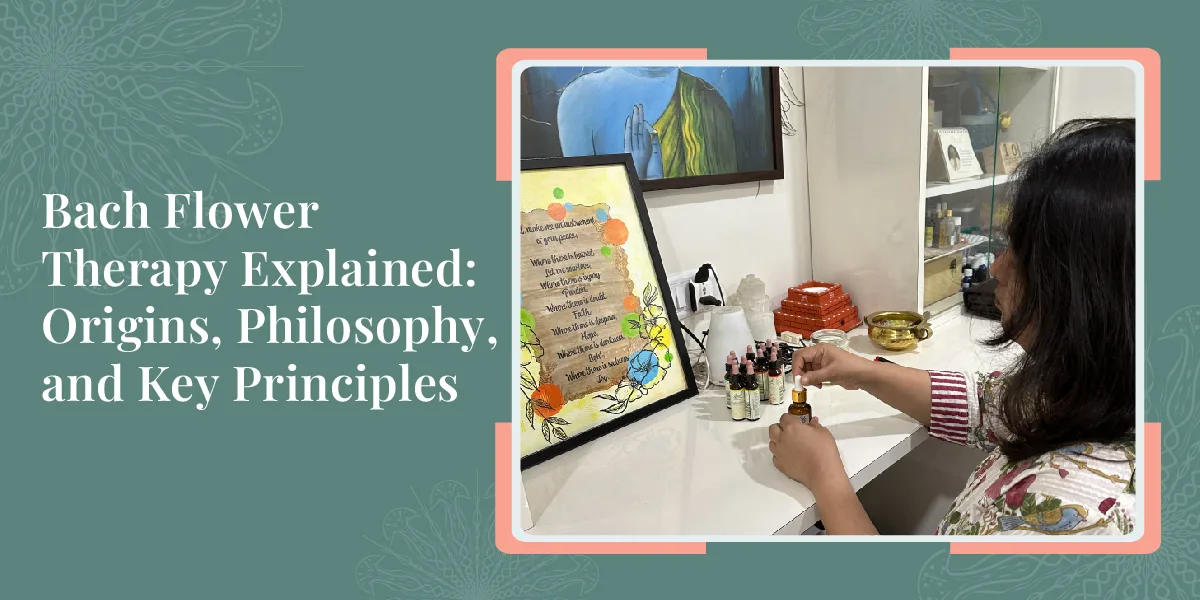
Bach flower therapy is a gentle and absolutely natural mode of treatment which has brought balance and peace into the lives of millions. Developed nearly a century ago, the system draws on flower essence in treating negative states of emotion and restoring harmony. Unlike traditional treatments that focus solely on physical symptoms, this therapy recognises the close interplay between the body’s emotions and health in general. What is Bach flower therapy, and how does it work to bring lasting change? This guide gives you an introduction to Bach flower therapy, including its origins, philosophy, and practical applications.
Explore the Transformative Power of Bach Flower Therapy
A] Origins of Bach Flower Therapy
This revolutionary system of healing was pioneered by the British physician and homoeopath Dr Edward Bach during the early years of the 20th century. Bach identified and developed the original 38 flower remedies between 1928 and 1935 through intuitive observation and personal experimentation. Bach strongly believed in connecting the mind, body, and nature into one inseparable component. He realised that most physical diseases are preceded by emotional imbalance; hence, prevention is the key to emotional healing. His vision came at a time when medicine was turning increasingly mechanical, and it has emerged into modern practice.
B] Core Philosophy of Bach Flower Therapy
Bach flower remedies work on some fundamental principles that set them apart from other conventional methods of wellness.
- Mind-Body-Emotion Link: It embraces the idea that emotions at a very basic level influence physical health. The negative emotional states of fear or desperation create energetic blockages that eventually manifest in physical symptoms. Bach flower treatment focuses on the treatment of such emotional imbalances at their very root, allowing natural mechanisms of healing to function properly.
- Holistic Healing: The perspective works not by treating an individual based on specific symptoms but as part of an integrated whole; treating the emotional state indirectly achieves the restoration of physical health since the two are fundamentally interconnected.
- Individual approach: The remedy is chosen according to the individual’s characteristic emotional portrait, rather than solely by symptoms. Thus, two different persons suffering from the same physical condition may be prescribed two different remedies based on their emotional response.
- Energy and Vibrations: How Bach flower remedies work involves the premise that remedies carry vibrational energy from flowers. These subtle energies are believed to influence emotional states because of their resonance with our own energetic frequencies.
- Natural Simplicity: All the remedies are plant-based, prepared either through sun infusion or boiling, and are totally non-invasive. Thus, these gentle remedies are available to all, with absolutely no risk of side effects.
C] Learning About the 38 Flower Remedies
The different types of Bach flower remedies are grouped into seven categories based on emotion. These seven categories cover the spectrum of human experience:
- Grouping of Remedies: Fear addresses terror and anxious thoughts. Uncertainty helps with decision-making and a lack of confidence. Absence of interest deals with disinterest and psychological avoidance. Loneliness is helpful to isolated individuals. Hypersensitivity assists individuals who are overwhelmed by external influences. Despondency deals with despair and weariness. Overcare encourages those who worry too much about others.
- Examples of Popular Remedies: Rescue Remedy is a combination of five flowers for acute stress and emergencies. Mimulus is used for known fears, such as heights or public speaking. Walnut helps with transitions and protects against unwanted influences during major life changes.
- How Remedies Are Administered: Bach flower remedies for beginners typically come as drops added to water and sipped throughout the day. Some practitioners create personalised blends in stock bottles for convenient use. Creams containing remedies can be applied topically for localised concerns.
- Importance of Personalised Selection: Personalised selection is important because it helps in the correspondence of the remedy to current emotional needs for effectiveness and meaningful results. This calls for honest self-reflection into what one genuinely feels.
D] Practical Application of Bach Flower Therapy
The effective application of Bach flower therapy is based on knowledge of how to choose and apply remedies.
- Self-Assessment: A person can understand emotional imbalances through their reactions, patterns of thoughts, and feelings that may often recur in daily life. Self-honesty would pose questions that could lead to the right remedy selection.
- Choosing Remedies: Consulting with trained practitioners ensures correct selection, especially for those beginners who are not yet oriented to the system. One can make the selection by oneself with detailed descriptions of remedies and intuition.
- Daily Use and Dosage Recommendations: The standard dosage includes four drops four times daily, though this may be modified. Remedies can be taken directly onto the tongue or in water throughout the day.
- Integration with Other Wellness Practices: How long Bach flower remedies take to work varies; however, using them in tandem with meditation will enhance emotional awareness. Mindfulness practices will help in observing subtle shifts as remedies begin their work.
- Effects Observed: In most cases, there are no overnight miracles; there is a gradual emotional shift. The mental clarity, calmness, and resilience build up over weeks of continuous use.
E] Benefits and Limitations
Understanding what this therapy can or cannot do helps you set realistic expectations.
- Emotional Benefits: The users have reported reduced stress, improved mood stability, enhanced focus, and greater emotional resilience. The remedies support the processing of difficult emotions rather than their suppression.
- Holistic Lifestyle Support: The therapy does not interfere with meditation, yoga, counselling, and all the other wellness activities.
- Disadvantages: Bach flower therapy may not replace medical or psychiatric interventions concerning serious illnesses. It is most appropriately applied as an alternative approach to treatment in addition to professional care.
- Indications: These remedies are safe for all ages, from infants to the elderly, in all stages of life.
Begin Your Healing Journey with Divine Sparsh Experts
Conclusion
Bach flower therapy is a proven way to emotional harmony, which is created out of the wisdom and therapeutic power of nature. This echo is mirrored in the philosophy that highlights in so many significant aspects the deep connection between feelings and physical well-being that orthodox medicine commonly neglects to acknowledge.
Consisting of 38 remedies, the system covers the entire spectrum of human emotions, enabling personalised support for each and every one to find balance and inner peace. Be it stress, anxiety, or big life transitions, transitions – this is where natural solutions support you with compassion. Why not give flower essences a go for emotional healing? Contact us at Divine Sparsh to begin your transformative journey today.
Recent Posts
-
Akashic Reading vs Tarot Reading: Which One Is Right for You?
-
Distance Healing Benefits vs In-Person Healing: What You Need to Know
-
How Personal Development Counselling Can Help You Overcome Life Challenges
-
Access Facelift: A Natural Approach to Ageing Gracefully
-
Prosperity Healing: Releasing Blocks And Creating Abundance
Book a Session

Babita Kakrania
Babita Kakrania is the founder of Divine Sparsh, a holistic healing platform rooted in the body’s innate power to heal. Her journey began after overcoming personal health challenges, inspiring her to explore diverse healing modalities. With 10+ years of experience, she empowers others through Pranic Healing, Sound Healing, Shamanism, Access Bars healing, and more nurturing body, mind, and spirit through awareness and transformation.